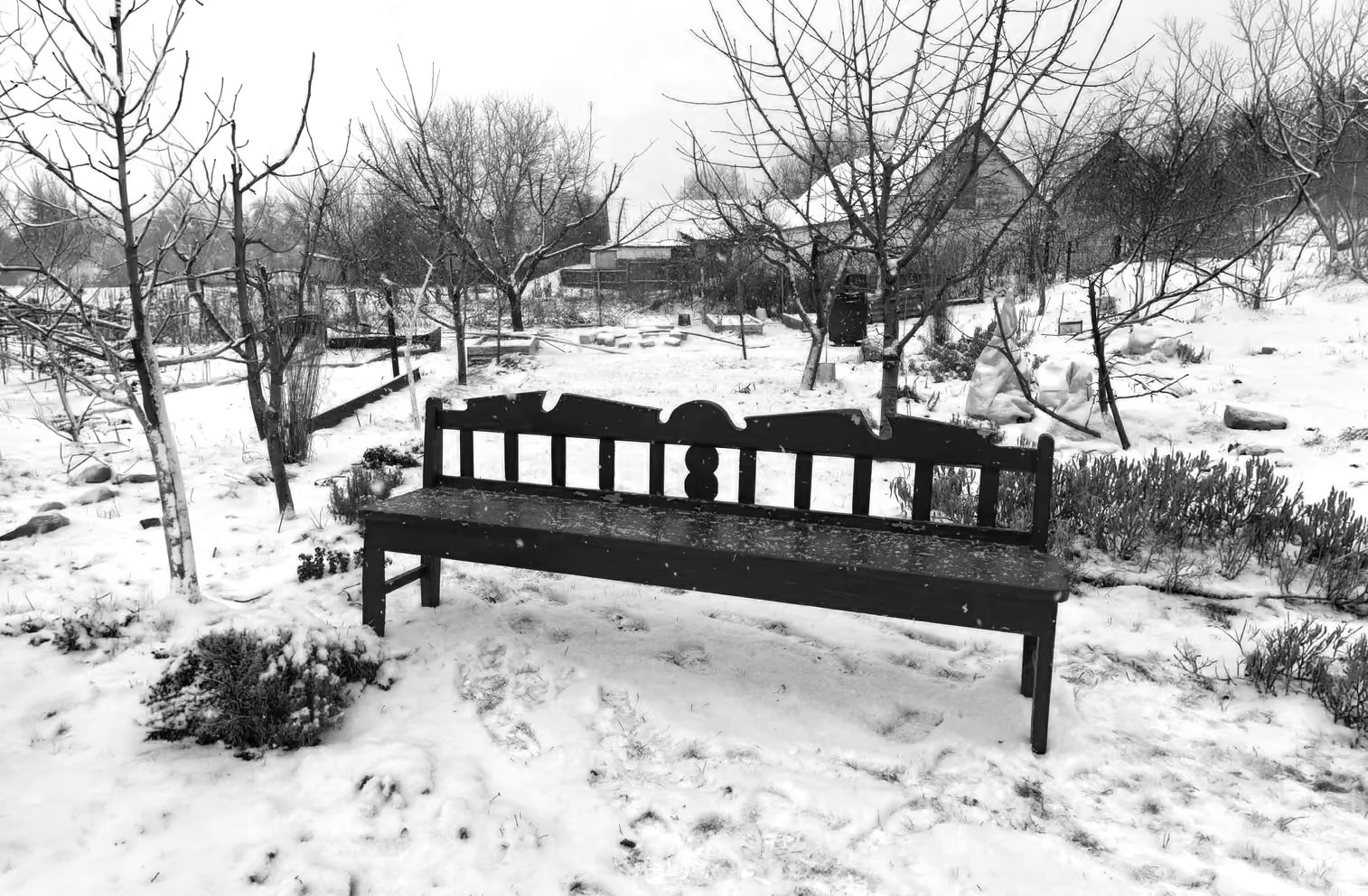
У домі моїх батьків, а до того — їх батьків — є лава. Була там настільки довго, що перетворилася на річ, яку не помічають. Так буває з тим, до чого звикаєш.
Дерево вбирає вологу. Ще воно всотує час. Хто руйнує більше?
Лава була цінною для мене. Я — її помічав. Врешті, час не завше руйнує. Він стає співавтором. Став моїм у проєкті oslin. Я не відновлював стару лаву. Не копіював її. Я створив нову — зберігаючи контур тієї самої. Зберігаючи силует, який памʼять здатна домалювати із заплющеними очима.
Я створив oslin.
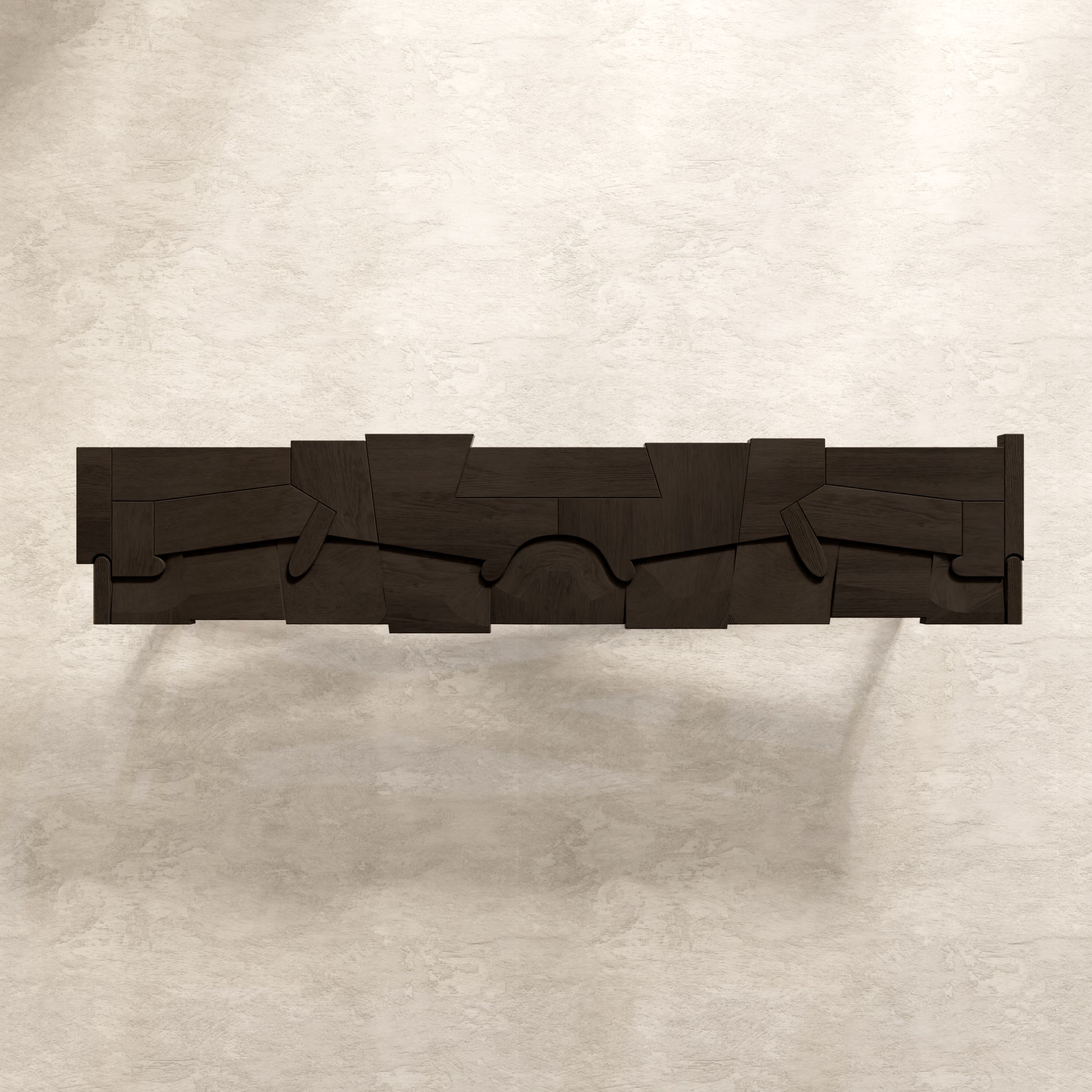
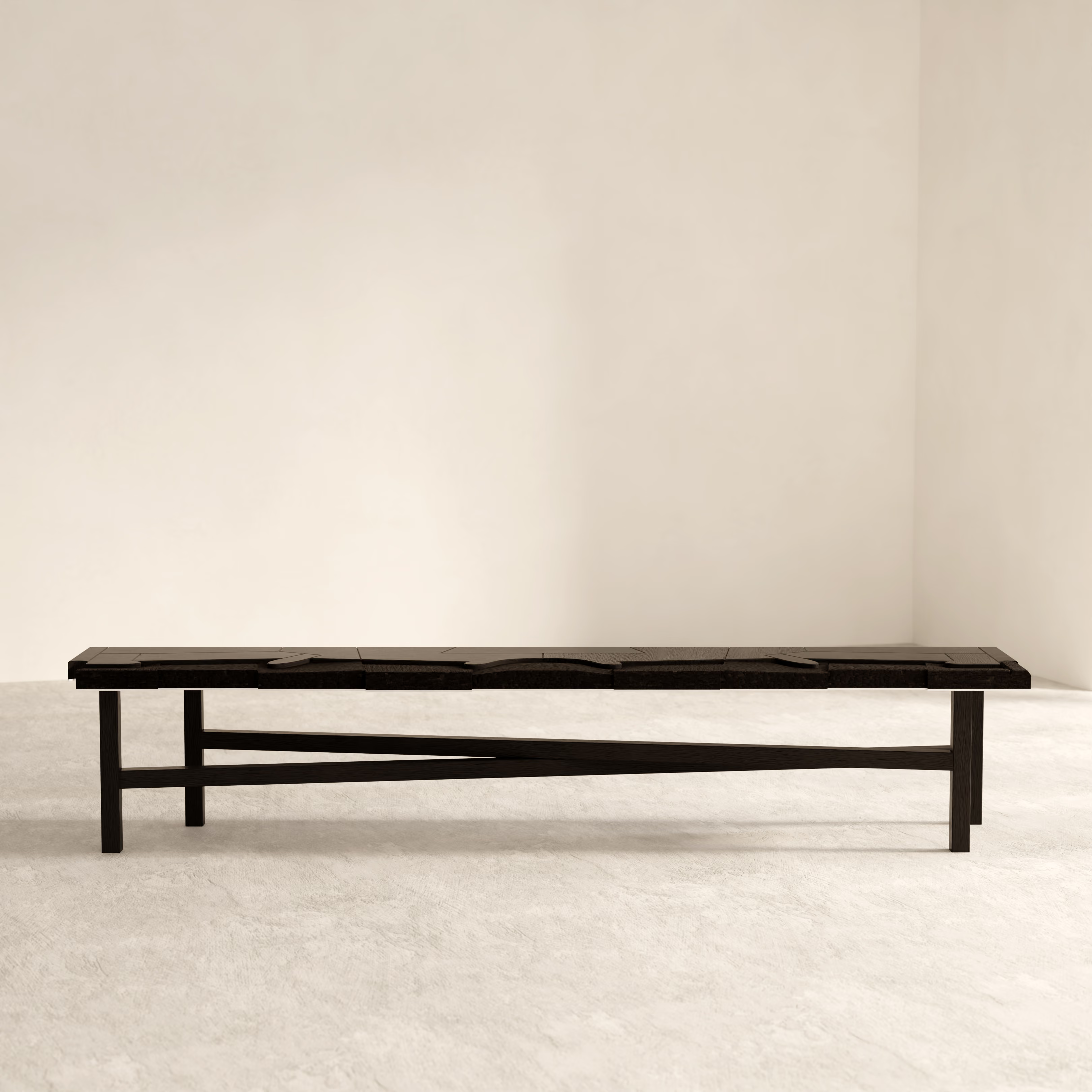
Найкращий спосіб зберегти річ — це дати їй дозвіл змінитися
Oslin створює сучасні обʼєкти, що працюють якпросторова та часова лінза — використовуючи контури чи окремі деталі цінних вам речей.
Тих, що хотілося б зберегти. Нині речі зникають швидше, ніж будь-коли. Війна знищує їх нещадніше за час. Війна ворог дому, краси, любові.
Якщо у вас — наживо чи у памʼяті — є своя така лава, її варто зберегти. Вона чекає не ще одного шару фарби, а продовження. Покажіть нам в oslin цю річ чи принесіть спогад про неї. Ми разом дослідимо її цінність, зафіксуємо контур — й створимо нову. Яку ви впізнаєте із заплющеними очима.